Dolmabahçe Palace
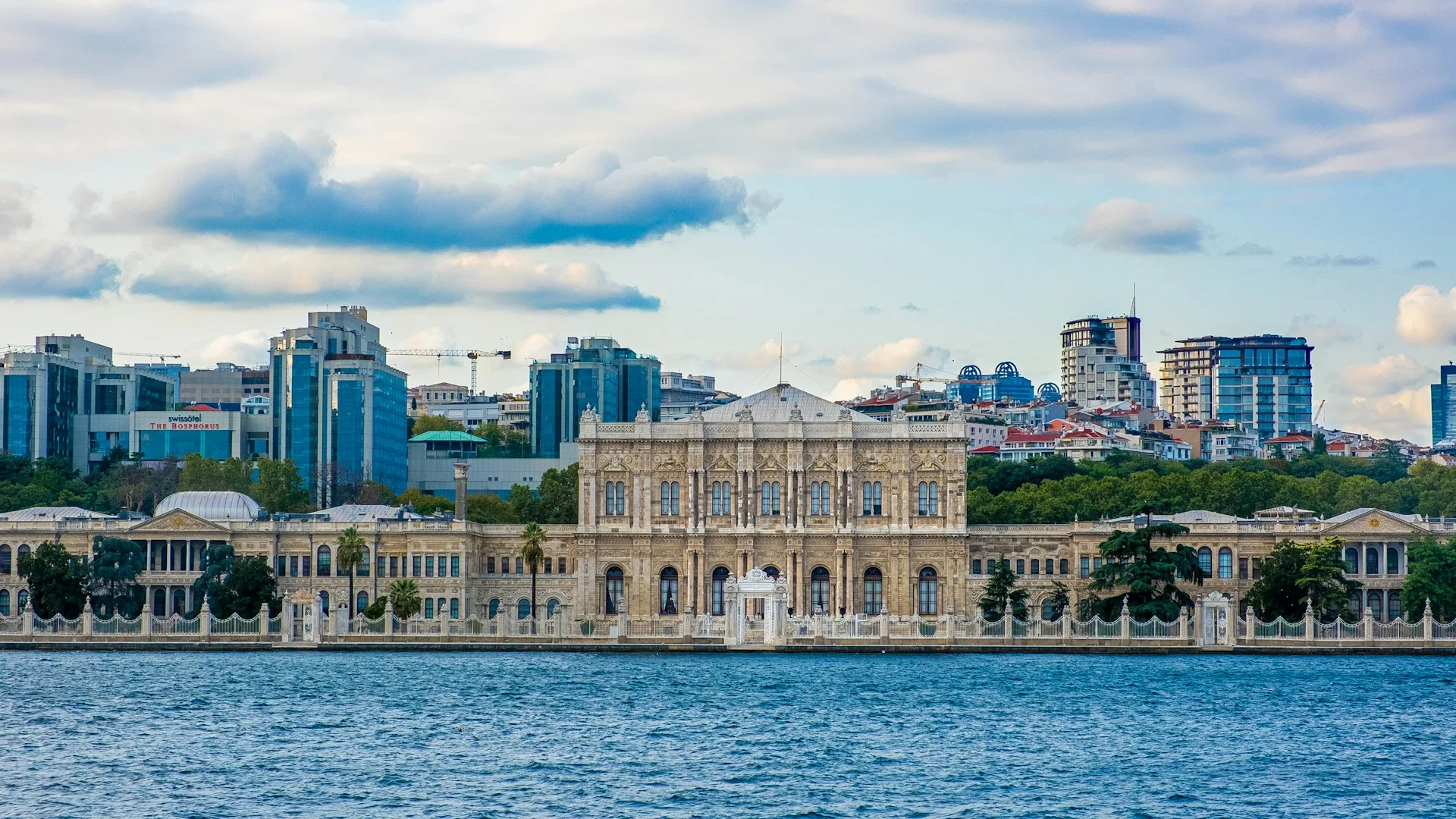
Dolmabahçe Palace is a lavish 19th-century imperial residence on the Bosphorus, renowned for its opulent interiors and historical significance in Istanbul.
Dolmabahçe Palace stands as one of Istanbul’s most spectacular landmarks, gracing the European shoreline of the Bosphorus with its grand façade and ornate blend of Baroque, Rococo, and Neoclassical styles. Built between 1843 and 1856 under Sultan Abdülmecid I, the palace reflects the Ottoman Empire’s desire to modernize and impress, boasting over 285 rooms, 46 halls, and the world’s largest Bohemian crystal chandelier.
Inside, visitors are treated to a dazzling display of gold leaf ceilings, intricate parquet floors, and sumptuous furnishings imported from across Europe. The palace served as the administrative center of the late Ottoman Empire and later as the residence of Mustafa Kemal Atatürk, the founder of modern Turkey, who spent his final days here. Today, Dolmabahçe is open to the public, offering a glimpse into the lavish lifestyle and turbulent history of the empire’s last sultans.
Visitor Information
| Location | Vişnezade, Dolmabahçe Cd., Beşiktaş, Istanbul |
|---|---|
| Opening Hours | Typically 9:00–16:00, closed Mondays; check locally for seasonal changes |
| Admission | Separate tickets for main palace and harem; check locally for current prices |
| Duration | 1.5–2 hours |
| Accessibility | Some areas accessible; inquire on-site for details |
1843
Construction Begins
Sultan Abdülmecid I commissions Dolmabahçe Palace to modernize the Ottoman court.
1856
Palace Completed
Dolmabahçe becomes the main administrative center of the empire.
1923
Republic of Turkey Founded
The palace is used by Mustafa Kemal Atatürk as a presidential residence.
1938
Atatürk’s Passing
Mustafa Kemal Atatürk dies in Dolmabahçe Palace.
Tips
- Photography is not permitted inside most rooms—respect signage and staff instructions.
- Arrive early to avoid long queues, especially in peak tourist seasons.
- Consider joining a guided tour for deeper historical context and access to restricted areas.
Is it possible to visit both the main palace and the harem section?
Yes, but separate tickets are required for each section. Check locally for up-to-date ticketing information.
Are there guided tours available?
Guided tours are offered in several languages and are recommended for a fuller understanding of the palace’s history.
Can I buy tickets in advance?
Advance tickets may be available online or at the entrance, but availability can vary. It is advisable to check the official website or inquire locally.
More places you may like
Related destinations
Discover close-by destinations
Nearby places