Hagia Sophia
Hagia Sophia is Istanbul’s most iconic landmark, renowned for its grand dome and layered history as a cathedral, mosque, and museum. A masterpiece of Byzantine and Ottoman architecture, it stands at the crossroads of civilizations.
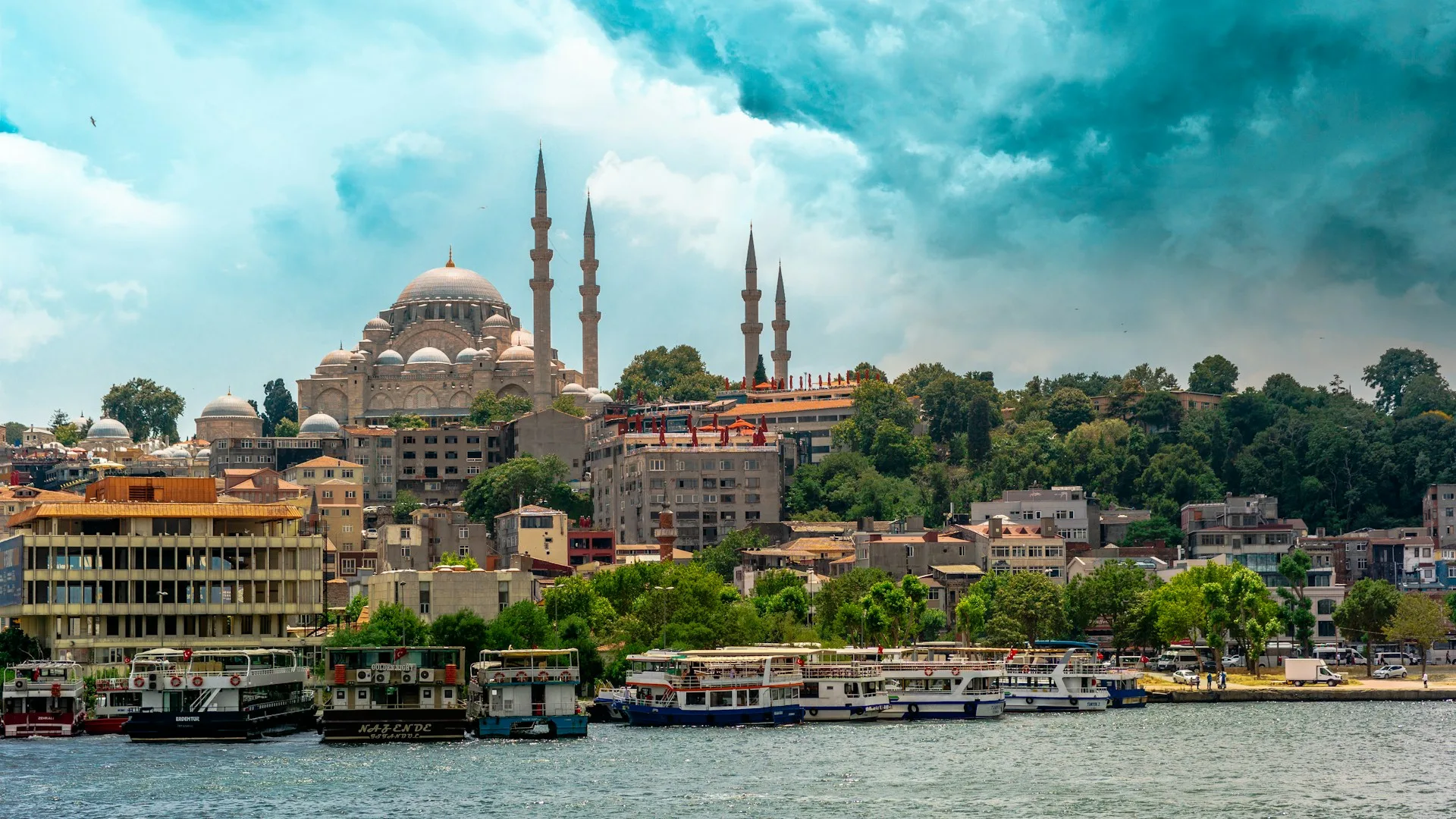
Hagia Sophia, or Ayasofya, dominates Istanbul’s skyline with its breathtaking dome and soaring minarets, symbolizing centuries of religious and imperial power. Originally constructed in 537 AD as a Byzantine cathedral, this architectural marvel later served as an imperial mosque under the Ottomans before becoming a museum in the 20th century. Its vast nave, intricate mosaics, and calligraphic panels reflect the diverse cultures and faiths that have shaped the city.
Visitors today can marvel at the fusion of Christian and Islamic artistry, from shimmering golden mosaics depicting saints to monumental medallions inscribed with Arabic calligraphy. The Hagia Sophia is not only a testament to Istanbul’s layered past but also a living monument that continues to inspire awe and reverence among millions each year.
Visitor Information
| Location | Sultanahmet Square, Istanbul |
|---|---|
| Hours | Check locally; hours may vary due to religious services and restoration |
| Admission | Check locally; fees and access may change |
| Dress Code | Modest attire required; headscarves for women |
| Accessibility | Wheelchair accessible (main floor); limited access to upper galleries |
537
Completion of Hagia Sophia
Emperor Justinian I inaugurates Hagia Sophia as the grand cathedral of Constantinople.
1453
Conversion to Mosque
Following the Ottoman conquest, Sultan Mehmed II converts Hagia Sophia into a mosque.
1935
Museum Era Begins
Hagia Sophia is secularized and opened as a museum by the Turkish Republic.
2020
Reconversion to Mosque
Hagia Sophia resumes its function as a mosque, remaining open to visitors.
Tips
- Visit early in the morning or late afternoon to avoid peak crowds.
- Dress modestly and bring a headscarf if you identify as female, as required for mosque entry.
- Photography is permitted, but flash and tripods may be restricted—respect worshippers during prayer times.
Can non-Muslims visit Hagia Sophia?
Yes, Hagia Sophia is open to visitors of all backgrounds outside of prayer times. Please observe respectful behavior during religious services.
Are guided tours available?
Guided tours are widely available and recommended for understanding Hagia Sophia’s complex history and art. Check with licensed guides at the entrance.
Is there a best time to visit?
Weekday mornings tend to be less crowded. Avoid major religious holidays when access may be limited.
More places you may like
Related destinations
Discover close-by destinations
Nearby places