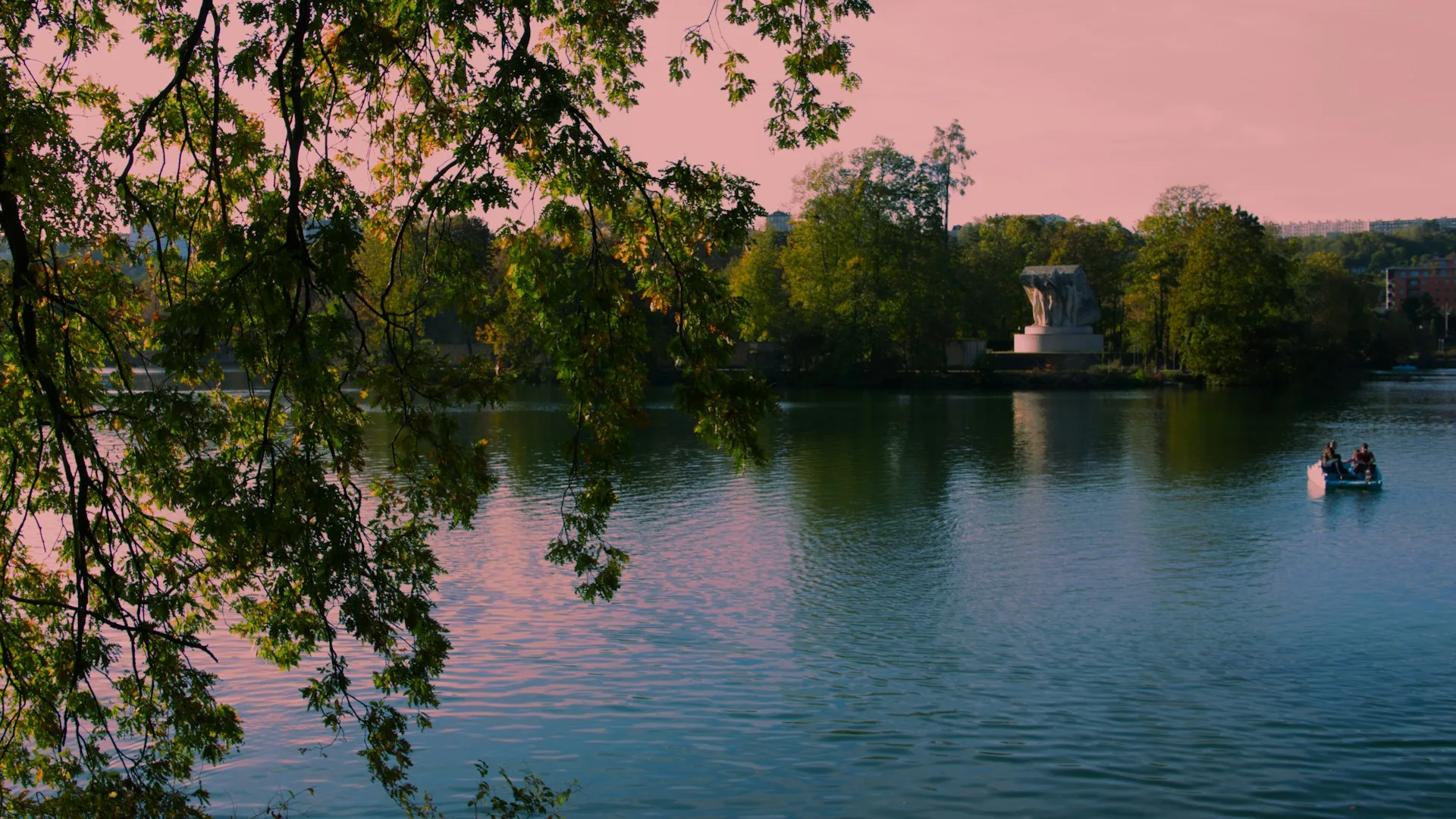
Vieux Lyon
Vieux Lyon is the historic heart of Lyon, France, renowned for its Renaissance architecture, winding cobbled streets, and vibrant atmosphere. This UNESCO-listed neighborhood offers a captivating journey through centuries of history, gastronomy, and culture.
Vieux Lyon, or Old Lyon, is a captivating neighborhood that transports visitors back to the Renaissance era. Its narrow, cobbled streets are lined with pastel-hued townhouses, ornate facades, and secret passageways known as traboules. This area flourished in the 15th and 16th centuries, when wealthy merchants and silk weavers left their indelible mark on the city’s architecture and culture.
Today, Vieux Lyon is a lively district brimming with traditional bouchons (Lyonnais restaurants), artisan boutiques, and bustling squares. The neighborhood’s well-preserved buildings and atmospheric alleyways invite exploration, while its vibrant street life and cultural institutions ensure a dynamic blend of old and new. Whether you’re discovering hidden courtyards or sampling local delicacies, Vieux Lyon offers an authentic glimpse into the city’s rich heritage.
Essential Information
| Best Time to Visit | Spring and autumn for pleasant weather |
|---|---|
| Recommended Duration | 2–4 hours |
| Accessibility | Some steep, cobbled streets; limited wheelchair access |
| Entry | Neighborhood is free to explore; some sites may charge |
Roman Era
Origins of Lyon
The area near Vieux Lyon was first settled by Romans, laying the foundations for the city's development.
15th–16th centuries
Renaissance Flourishing
Vieux Lyon becomes a center for silk merchants and artisans, resulting in the construction of grand townhouses and traboules.
1964
Historic Preservation
Vieux Lyon is designated France’s first protected historic district, safeguarding its unique architectural heritage.
1998
UNESCO World Heritage
The district is recognized as a UNESCO World Heritage Site, highlighting its global cultural significance.
Tips
- Wear comfortable shoes—cobbled streets and steep alleys are common.
- Seek out traboules (hidden passageways) for a unique perspective on the neighborhood’s history.
- Visit early in the morning or later in the evening to avoid peak crowds.
Are there guided tours available in Vieux Lyon?
Yes, guided walking tours are offered in several languages, focusing on history, architecture, and gastronomy. Check locally for schedules and prices.
Is Vieux Lyon suitable for families?
Absolutely. The area is pedestrian-friendly and offers plenty of sights, though parents should be mindful of uneven streets and steps.
Can I visit the traboules on my own?
Many traboules are open to the public, but some are private. Look for marked entrances or join a guided tour for access to hidden passages.
More places you may like
Related destinations
Discover close-by destinations
Nearby places