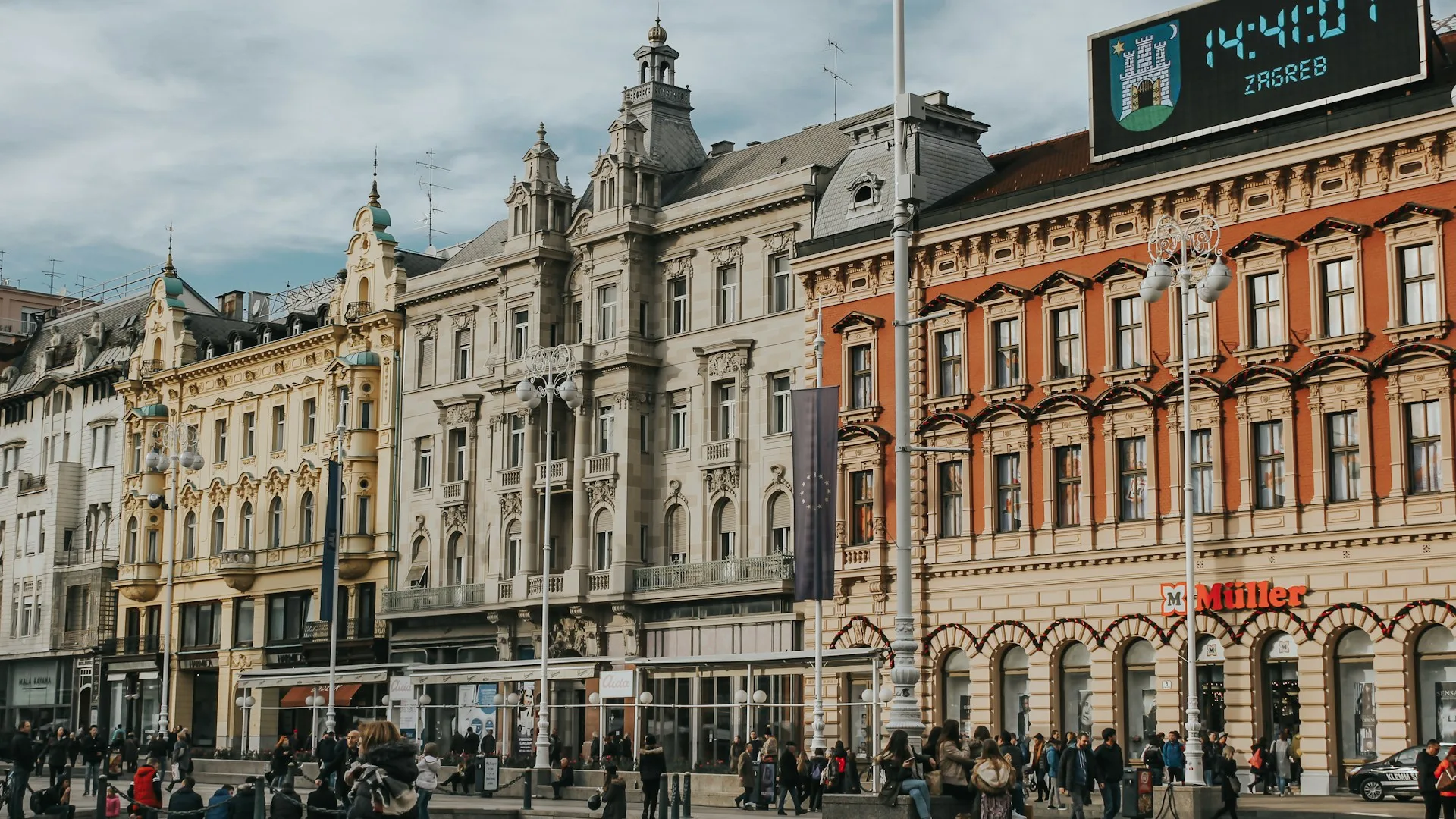
Zagreb
Zagreb, Croatia's vibrant capital, blends Austro-Hungarian architecture, lively squares, and a creative spirit. Explore its historic streets, green parks, and unique museums.
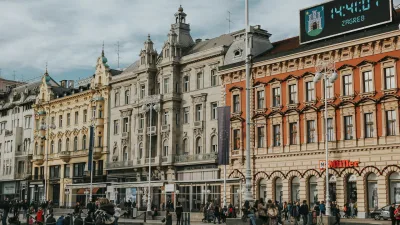
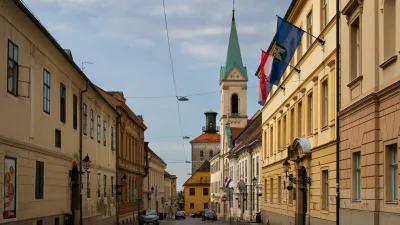
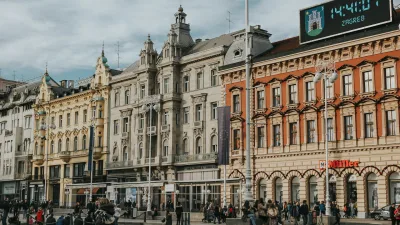
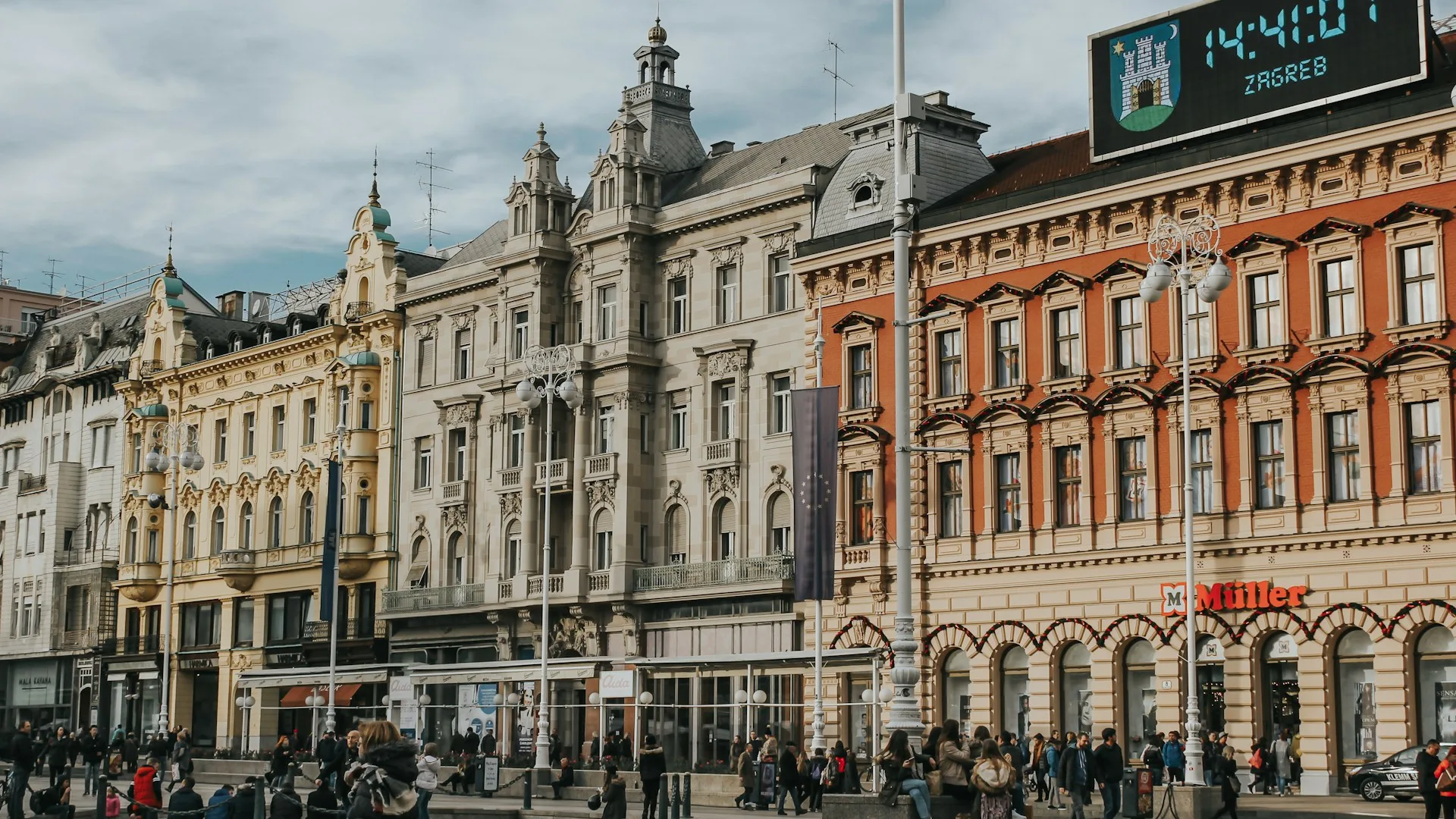
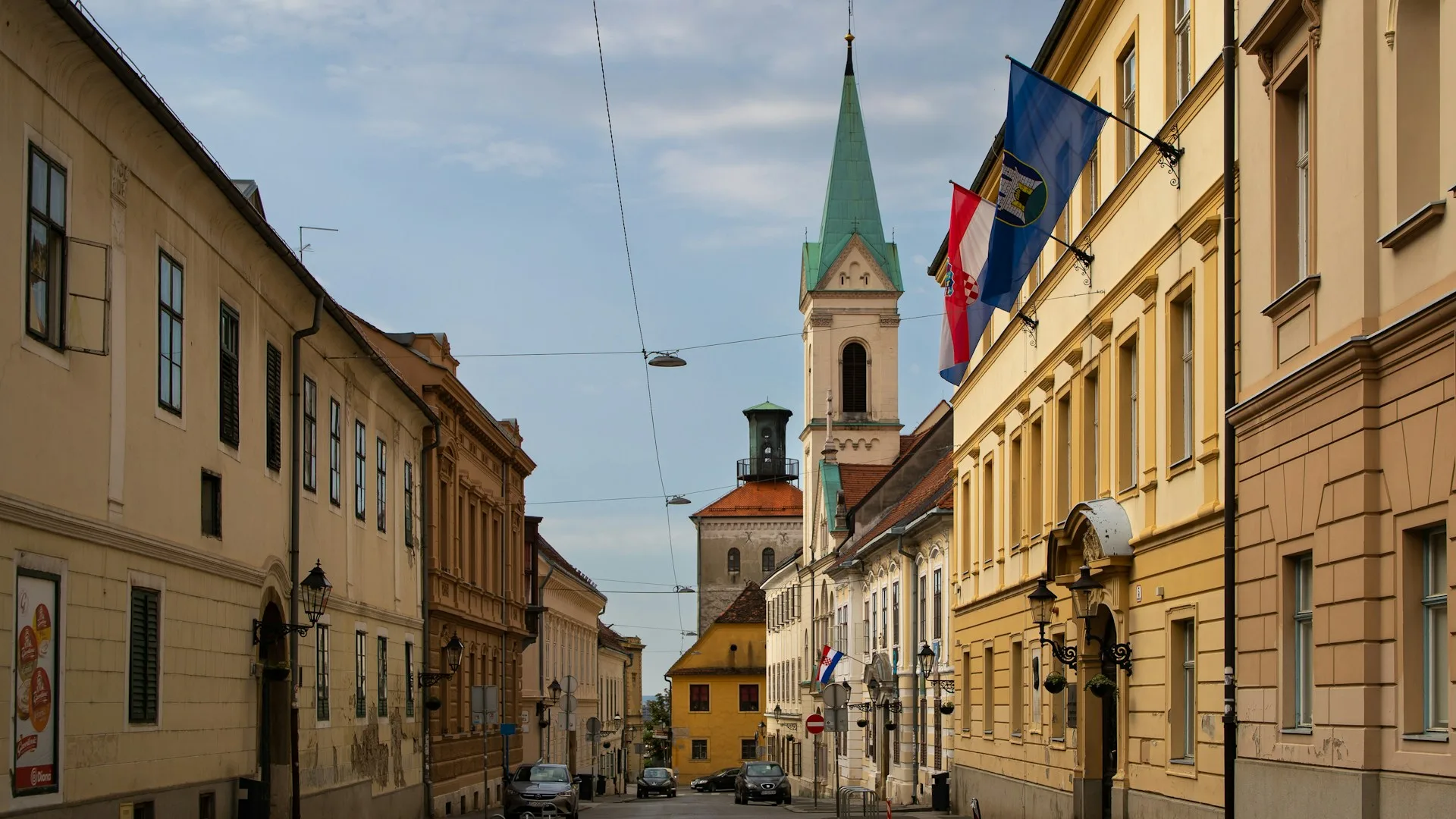
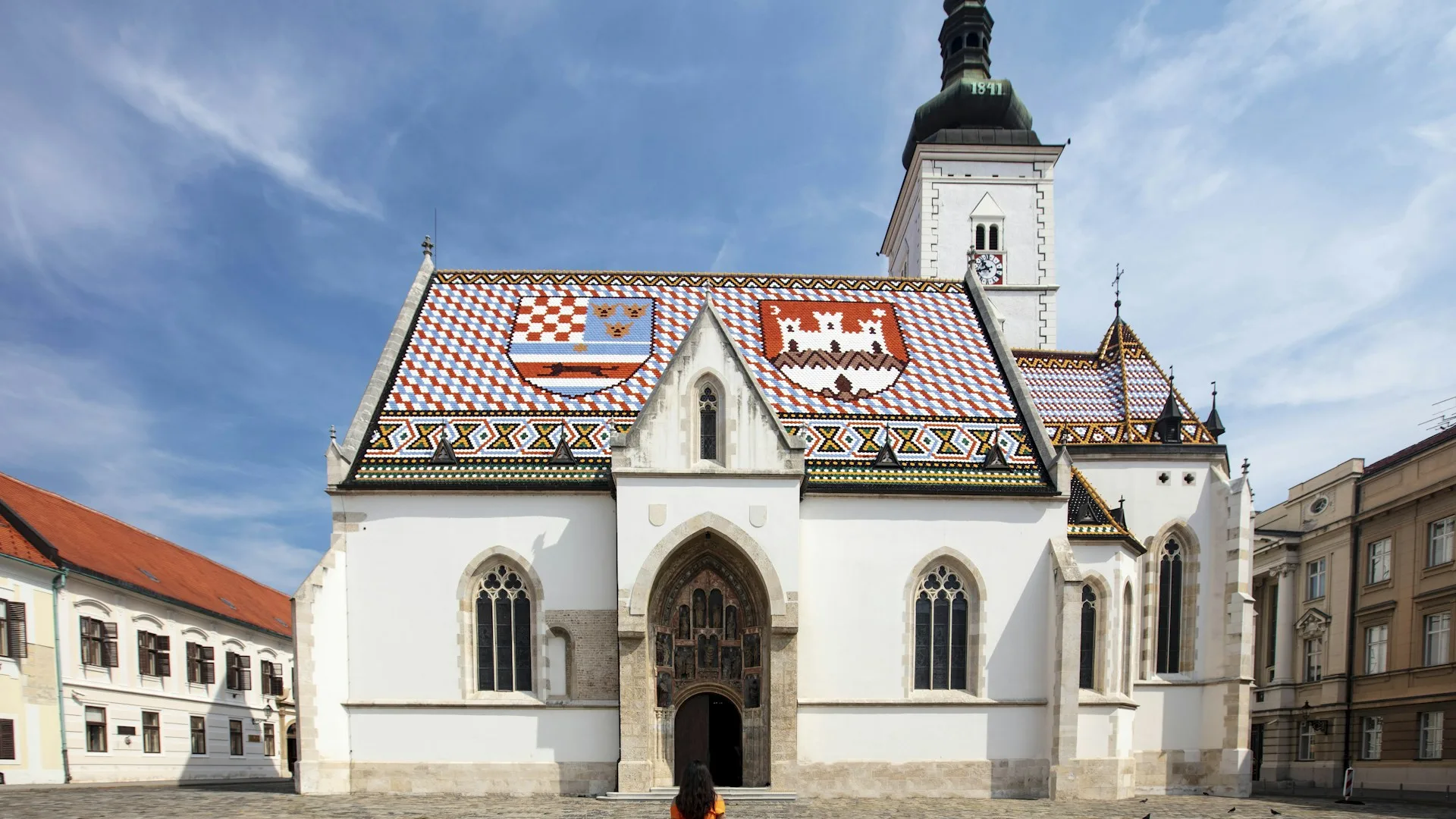
Zagreb, set against the southern slopes of Medvednica Mountain, is a city where tradition meets creativity. Its Upper Town (Gornji Grad) is a maze of cobblestone streets, medieval churches, and colorful facades, while the Lower Town (Donji Grad) features grand 19th-century architecture, vibrant squares, and leafy promenades. The city’s energy is palpable in its open-air markets, lively cafés, and frequent festivals.
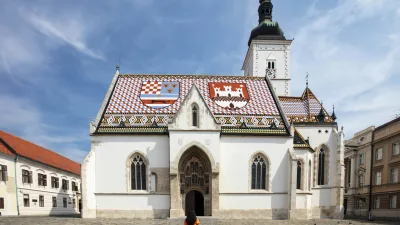
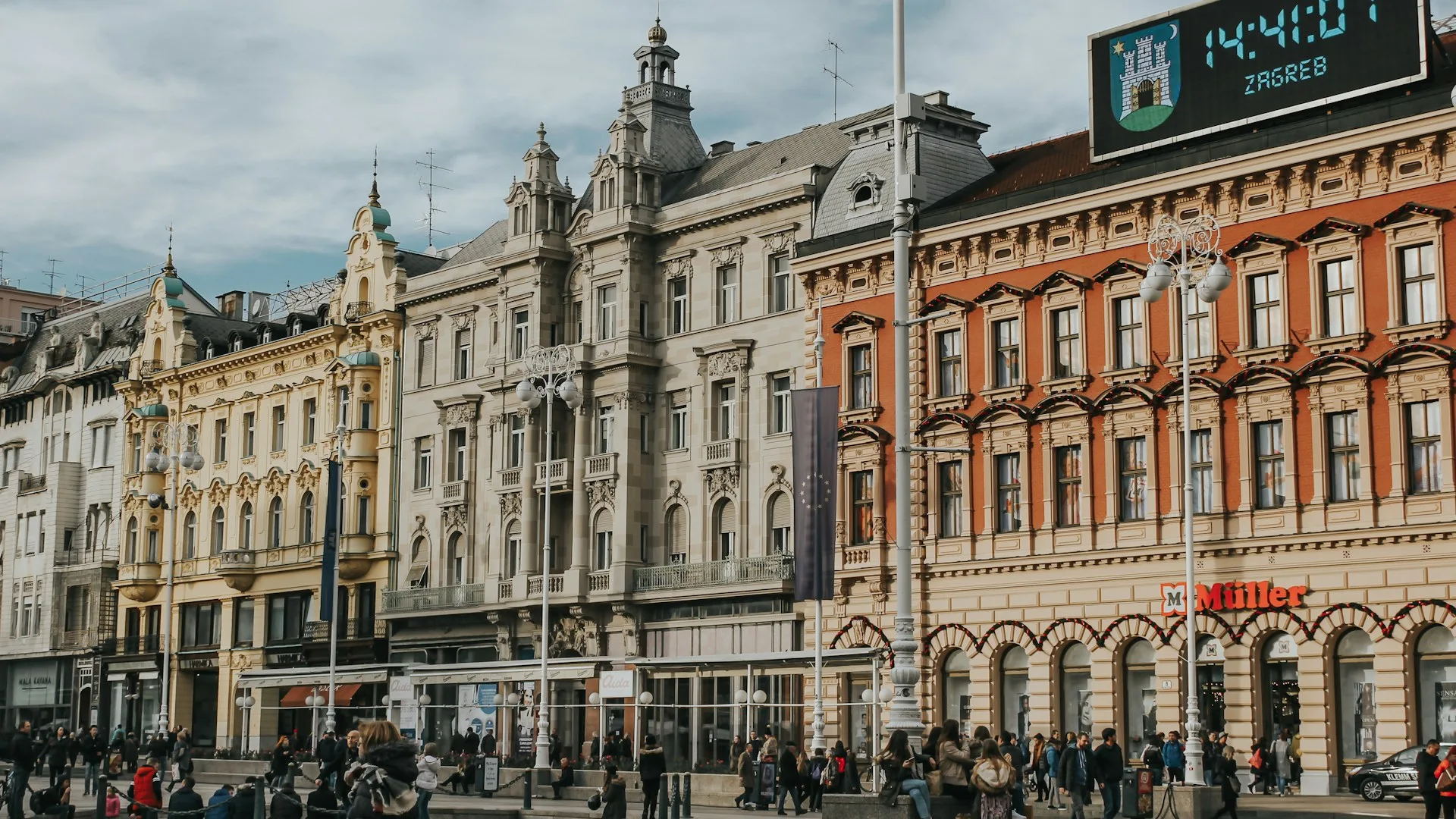
Highlights include Ban Jelačić Square, the city’s bustling heart, and the iconic Zagreb Cathedral. Art lovers will appreciate the city’s museums, such as the quirky Museum of Broken Relationships. Zagreb is also a gateway to Croatia’s natural wonders, with parks like Zrinjevac offering a peaceful escape. Whether you’re exploring Lotrščak Tower for panoramic views or strolling down Tkalčićeva Street, Zagreb offers a blend of history, culture, and modern life.
Getting Around Zagreb
Tram
Zagreb Tram Network
A comprehensive network of blue trams connects most districts and attractions. Tickets can be purchased at kiosks or via mobile apps. Check locally for current schedules and fares.
Bus
City Buses
Buses complement the tram system, reaching neighborhoods and suburbs not served by trams. Main stations are located near Ban Jelačić Square.
funicular
Zagreb Funicular
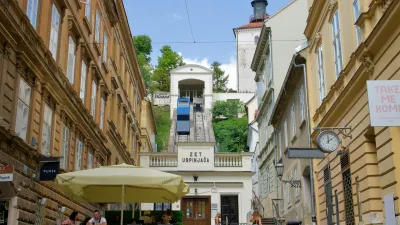
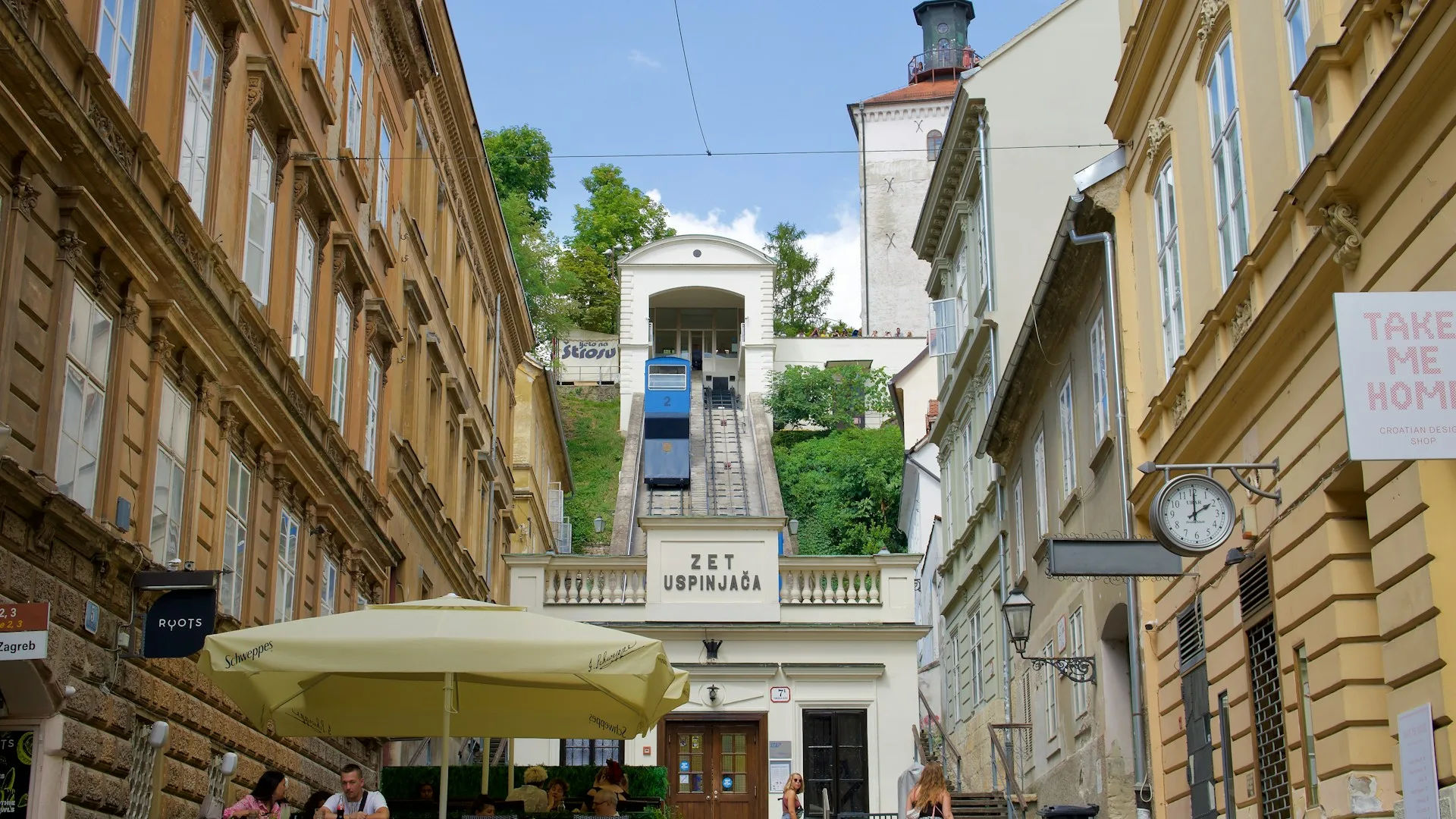
One of the world’s shortest funiculars links Lower and Upper Town, providing quick access to Lotrščak Tower and historic sites.
Insider Tips for Visiting Zagreb
Tips
- Many museums, including the Museum of Broken Relationships, close early on Sundays—plan visits accordingly.
- Cafés and bars along Tkalčićeva Street are popular for people-watching and local specialties; try a coffee or štrukli (cheese pastry).
- Public transport tickets must be validated upon boarding; fines apply for unvalidated tickets.
Frequently Asked Questions
How many days should I spend in Zagreb?
Two to three days is ideal for exploring Zagreb’s main sights, museums, and neighborhoods at a relaxed pace.
Is Zagreb walkable?
Yes, the central districts are compact and pedestrian-friendly. Many top attractions are within walking distance of Ban Jelačić Square.
When is the best time to visit Zagreb?
Spring and early autumn offer mild weather and fewer crowds. December is also popular for Zagreb’s award-winning Christmas markets.
Zagreb
More places you may like
Related destinations